PLA vs PETG — which one does your part actually need?
A practical comparison of PLA and PETG for functional 3D printed parts, with the failure modes each one has and a straight recommendation for common use cases.
On this page
Most material guides list properties in a table and leave you to work it out. This one gives you an answer.
The one-line version
PLA unless the part will sit in a hot car, get dropped repeatedly, or live outdoors. Then PETG.
That covers about 90% of decisions correctly. The rest of this explains the 10%.
Where PLA wins
PLA is stiffer than people expect, prints more accurately than anything else at this price, and holds fine detail — text, sharp corners, thin walls — better than PETG does.
Reach for it when:
- The part is a display piece, model or prototype where looks matter
- You need dimensional accuracy — press fits, threaded inserts, tight tolerances
- The geometry has fine detail or small lettering
- Cost matters and the part is not structural
Its real failure mode is heat. PLA starts softening around 55–60°C. A part left on a dashboard in a Delhi summer will sag — this is not a hypothetical, we have replaced parts for exactly this reason. It is also comparatively brittle: it does not bend before it breaks, it just breaks.
Where PETG wins
PETG trades some accuracy for toughness. It flexes before it fails, tolerates around 75–80°C, and shrugs off UV and moisture in a way PLA does not.
Reach for it when:
- The part is functional and will take real load
- It lives outdoors or in a vehicle
- It will be dropped, flexed or knocked
- It contacts water or humidity long-term
The cost is detail. PETG is slightly stringy, so fine text and sharp corners come out softer, and bridging is less crisp. It is also marginally more expensive per gram.
Side by side
| PLA | PETG | |
|---|---|---|
| Stiffness | Higher | Slightly lower |
| Impact resistance | Brittle — snaps | Tough — bends first |
| Heat tolerance | ~55–60°C | ~75–80°C |
| Detail and accuracy | Excellent | Good |
| Outdoor / UV | Degrades | Holds up well |
| Moisture | Absorbs slowly | Resistant |
Common parts, straight answers
Phone or laptop stand — PETG. It lives on a desk near a window and gets knocked. PLA will survive, but PETG will survive being sat on.
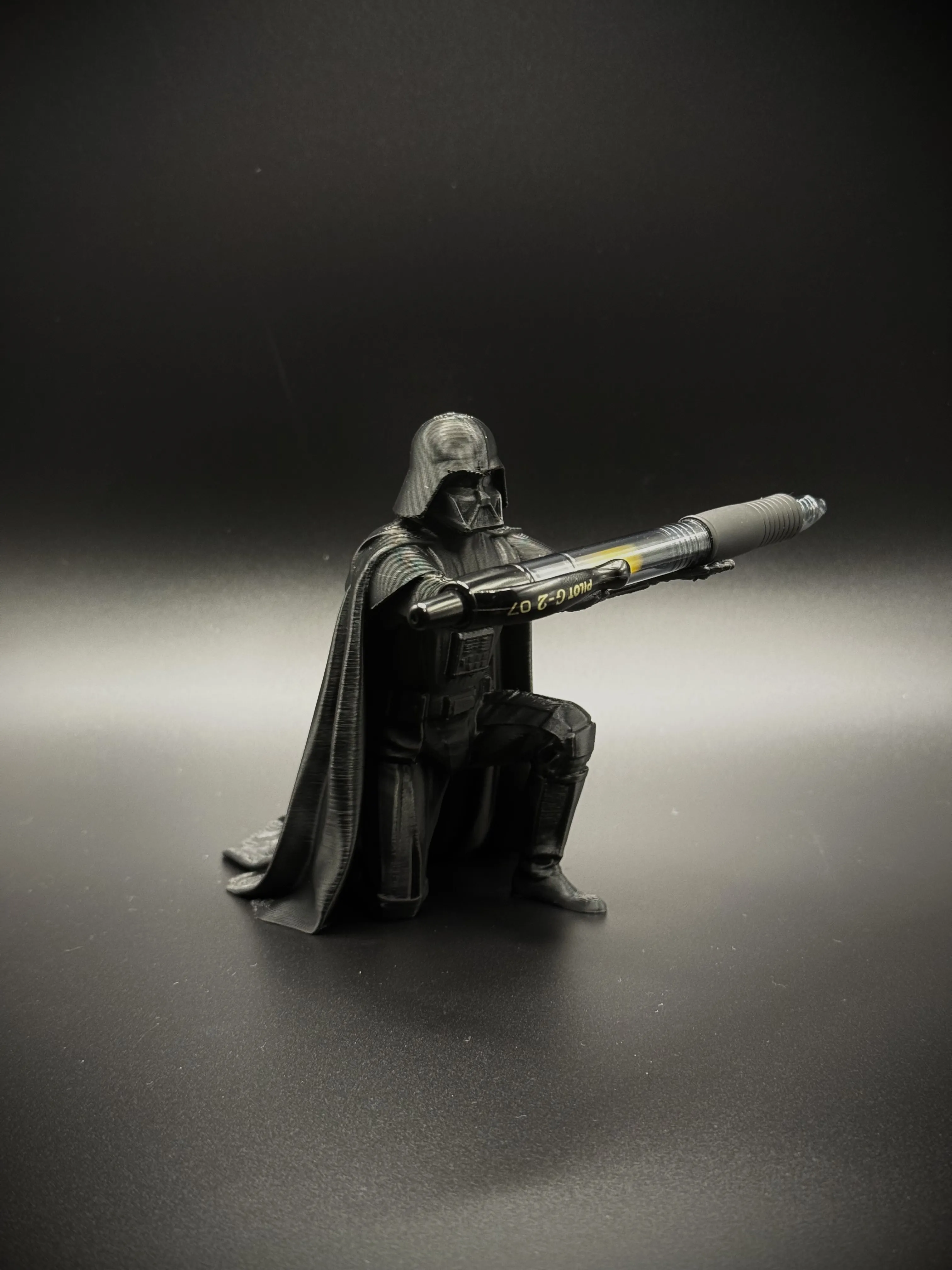
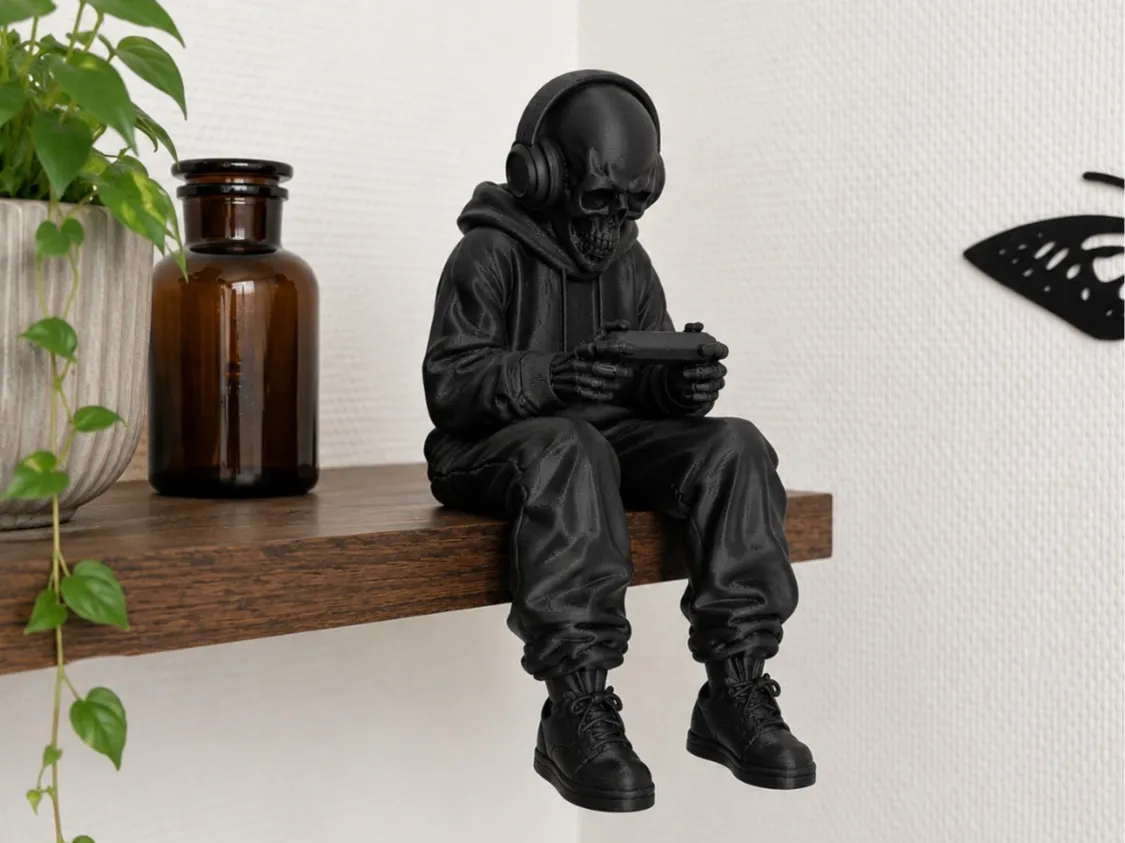
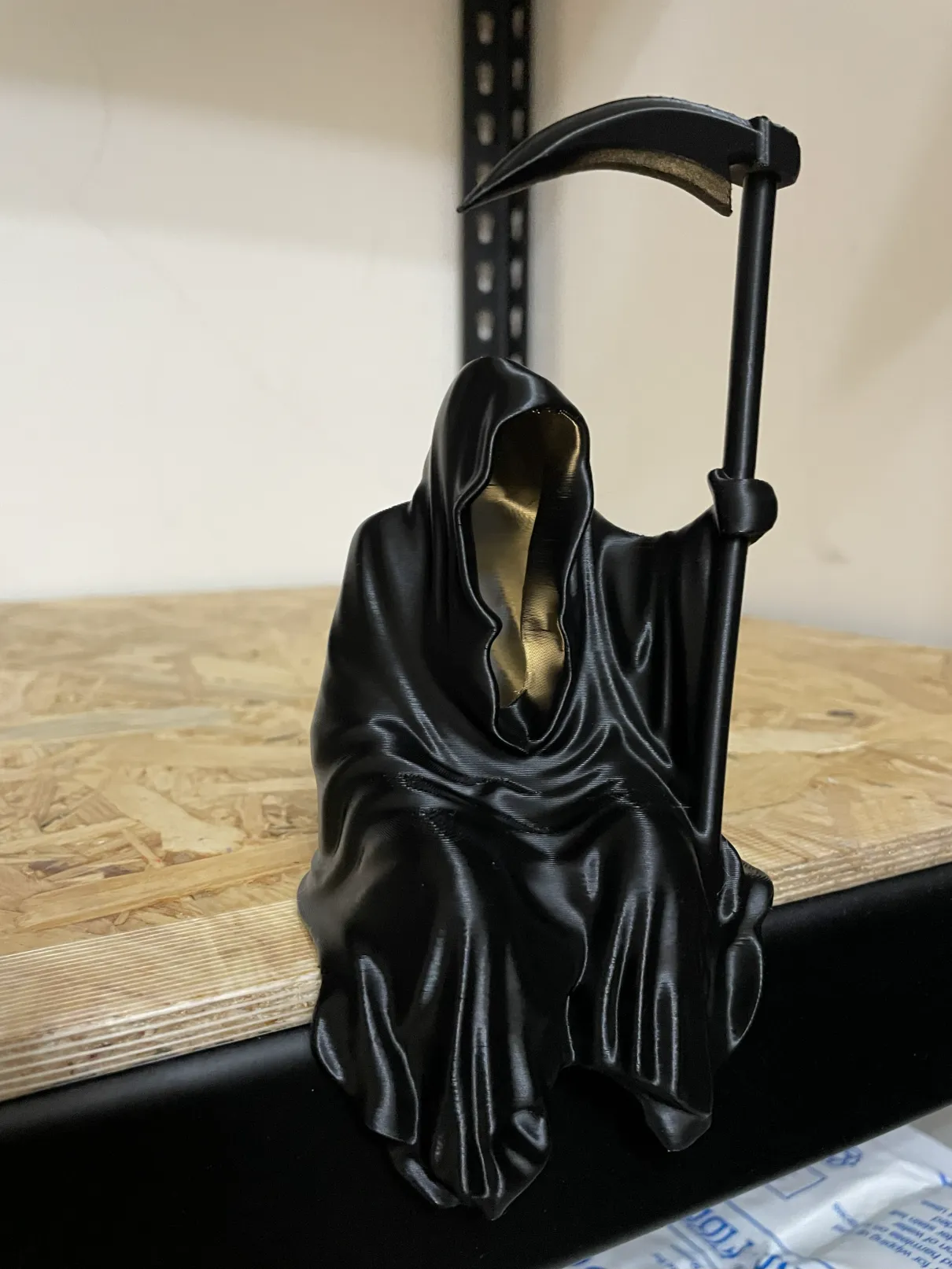
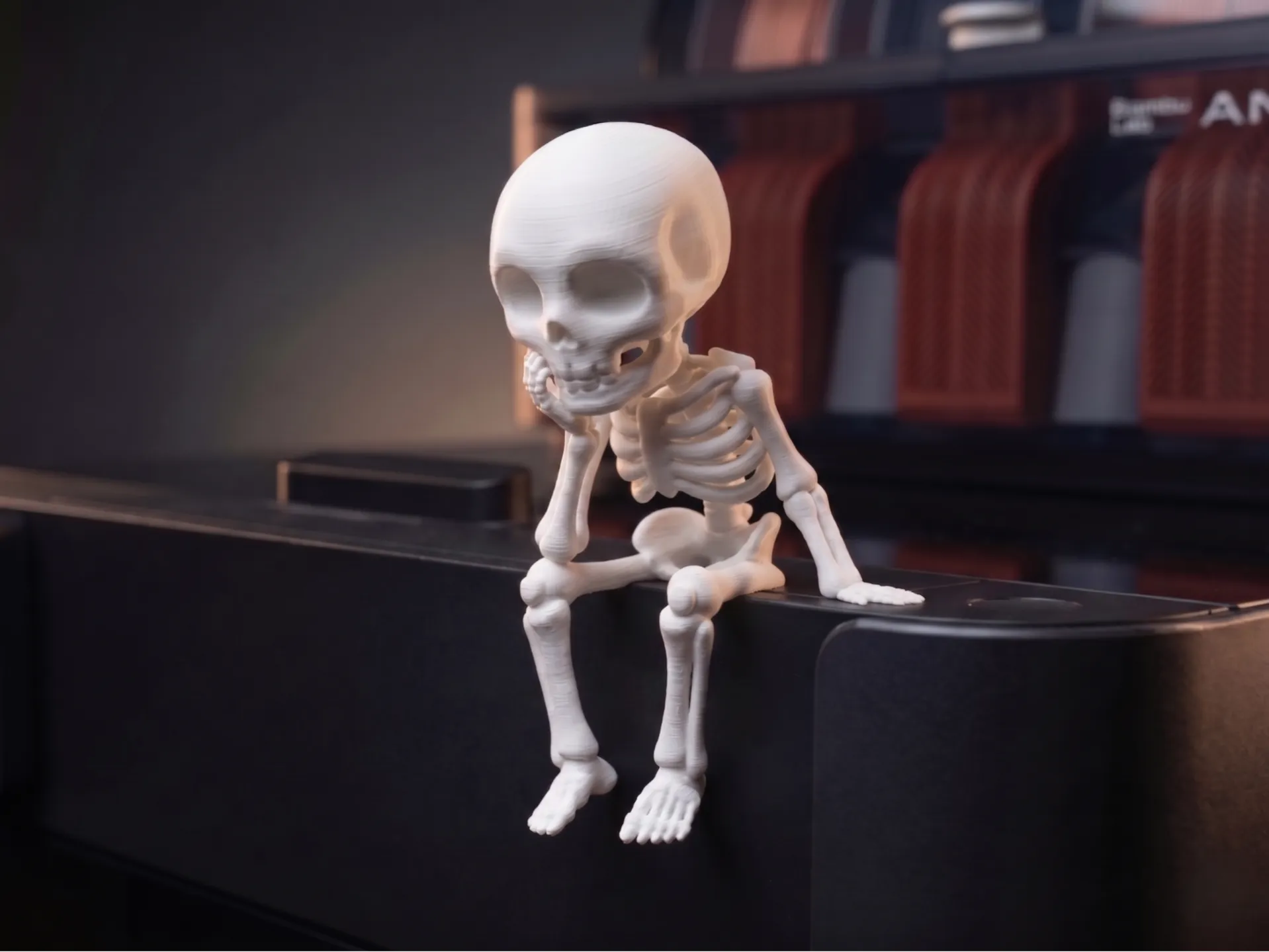
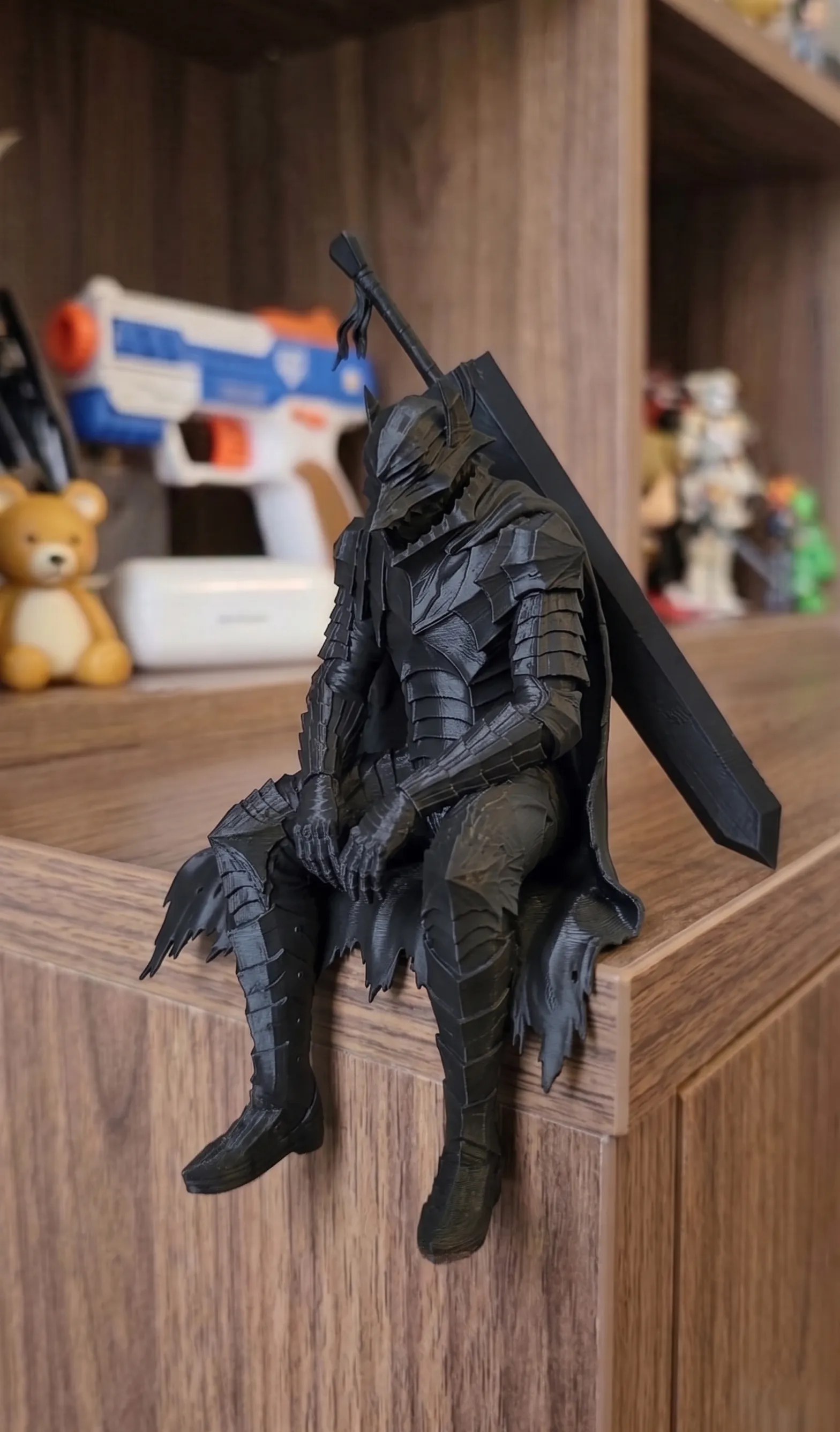
Miniature or display model — PLA. Detail wins, and it is never under load.
Enclosure for electronics — PETG. Electronics generate heat, and the enclosure is exactly the part you do not want deforming.
Jig or fixture for a workshop — PETG. It will be clamped, dropped and generally abused.
Prototype for a fit check — PLA. Cheapest and most accurate, and you are throwing it away next week.
Anything in a car — PETG, without hesitation. A parked car in an Indian summer reaches 70°C+ on the dashboard. PLA is not a candidate.
Planter or anything holding water — PETG. PLA slowly absorbs moisture and will craze.
What about the other materials?
ABS, TPU, nylon and resin all have their place — TPU when a part must genuinely flex, nylon when it must be stiff and light, resin when detail is everything.
We do not print those in-house, and we would rather tell you that than pretend to a capability we do not have. Everything in our shop is PLA or PETG, printed on our own machines in Delhi NCR.
Frequently asked questions
Is PLA or PETG better for display figures?
PLA. It holds fine detail and sharp edges better, and a figure on a shelf indoors never gets hot enough to trouble it.
Can PLA go in a car?
No. A parked car in an Indian summer can reach 70°C on the dashboard, well above the 55–60°C where PLA softens. Use PETG for anything that lives in a car.
Which is stronger, PLA or PETG?
PLA is stiffer, PETG is tougher. PLA snaps under a sharp knock where PETG bends first, so PETG suits parts that get dropped or flexed.
Still not sure?
Tell us what the part does and where it lives, and we will pick for you. That advice is free and we will happily talk you out of the more expensive option if the cheaper one is right.