3D printing in India — where it is today and why small studios are growing
An overview of 3D printing in India in 2026 — who uses it, what it costs, how local print studios differ from imports, and what to look for when you buy a 3D printed product.
On this page
Ten years ago, 3D printing in India was mostly something you read about. There were a few industrial machines in large manufacturers, some university labs, and a small community of hobbyists importing printer kits. Today there's a 3D printer in engineering colleges, product design studios, dental labs, jewellery workshops and a growing number of spare bedrooms.
This is a look at where things stand, from the point of view of a small studio that prints every day in Delhi NCR.
Who uses 3D printing in India
Industry and engineering. Automotive, aerospace and electronics firms use 3D printing for prototypes, jigs, fixtures and some end-use parts. It has become a normal step in product development instead of a novelty.
Healthcare. Dental aligners, surgical planning models and custom prosthetics are some of the most important uses in the country.
Education. Schools and colleges use printers to teach design and engineering. Initiatives like Atal Tinkering Labs have put machines in front of many students for the first time.
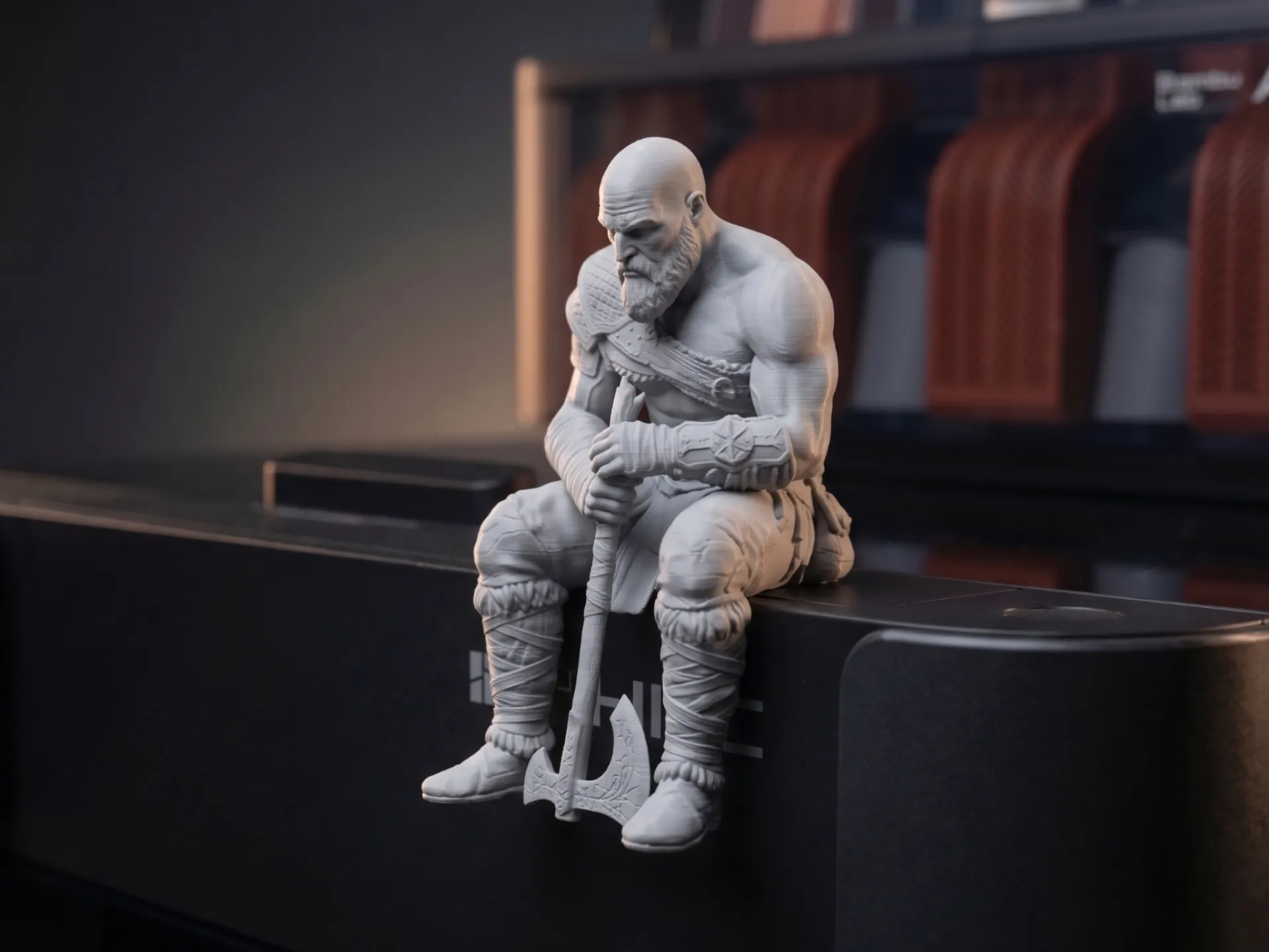
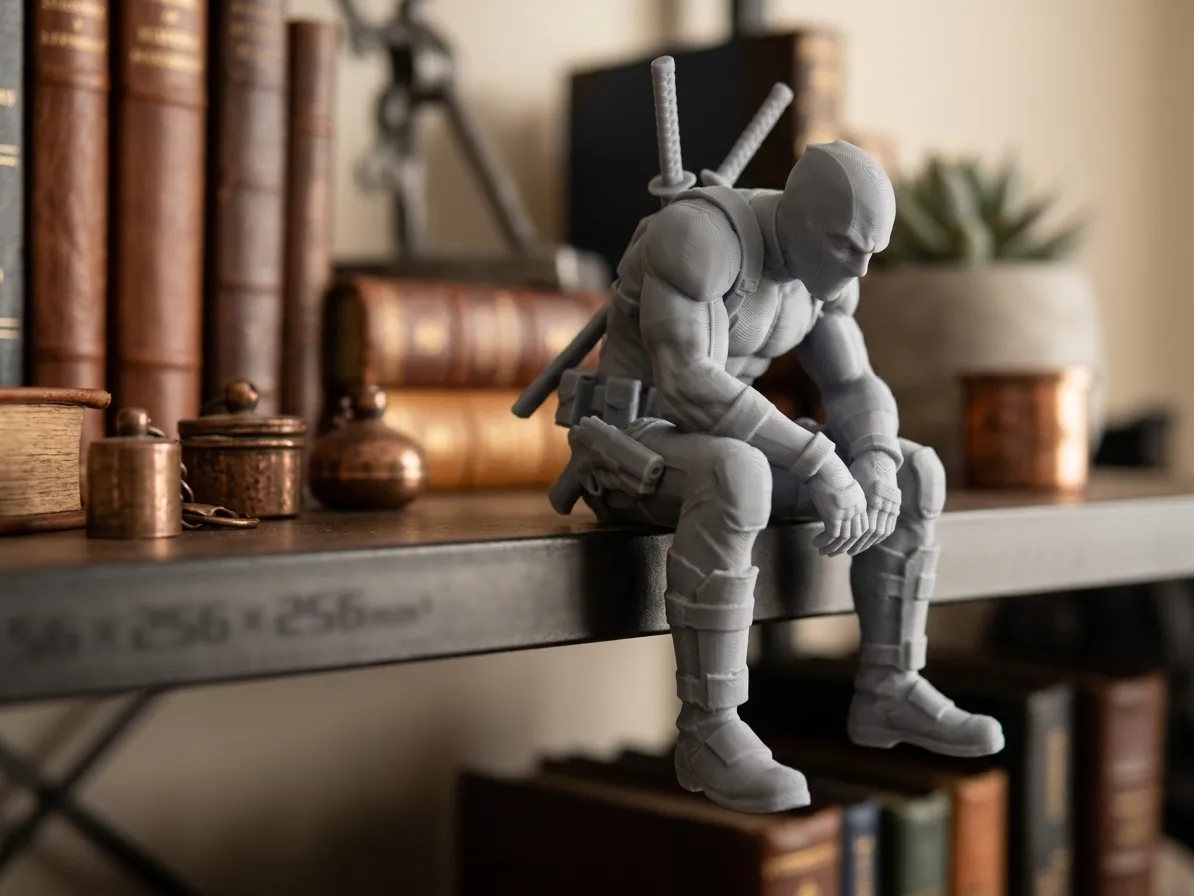
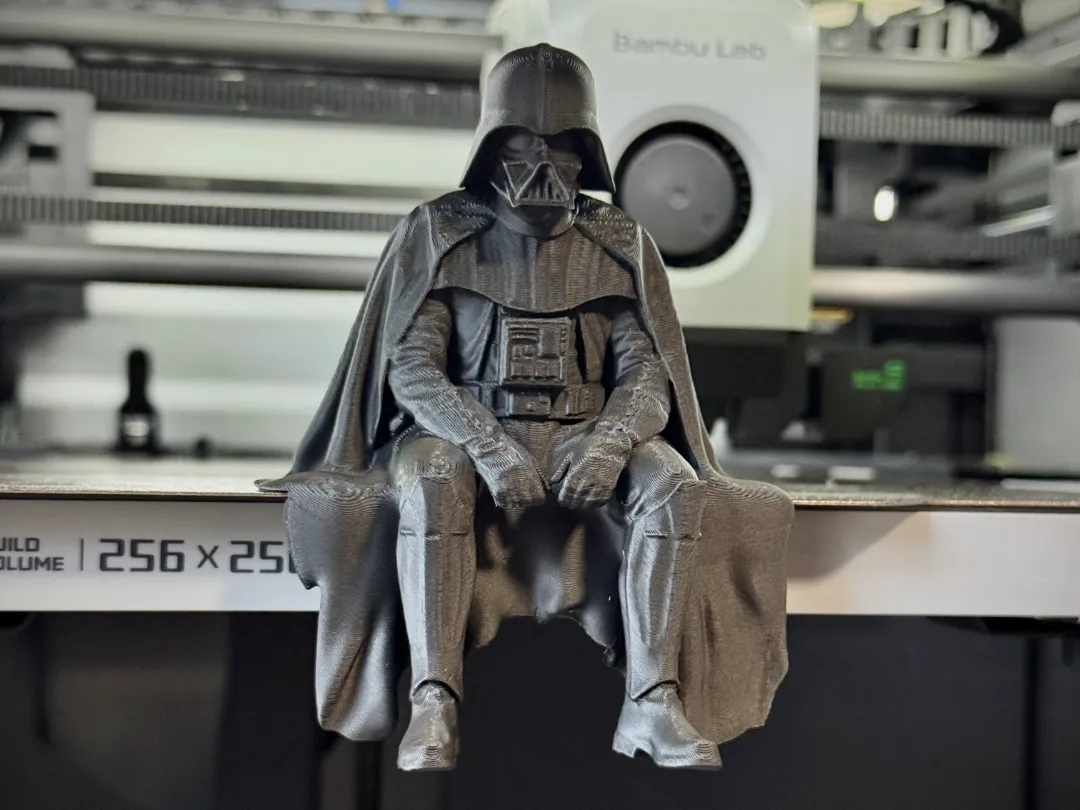
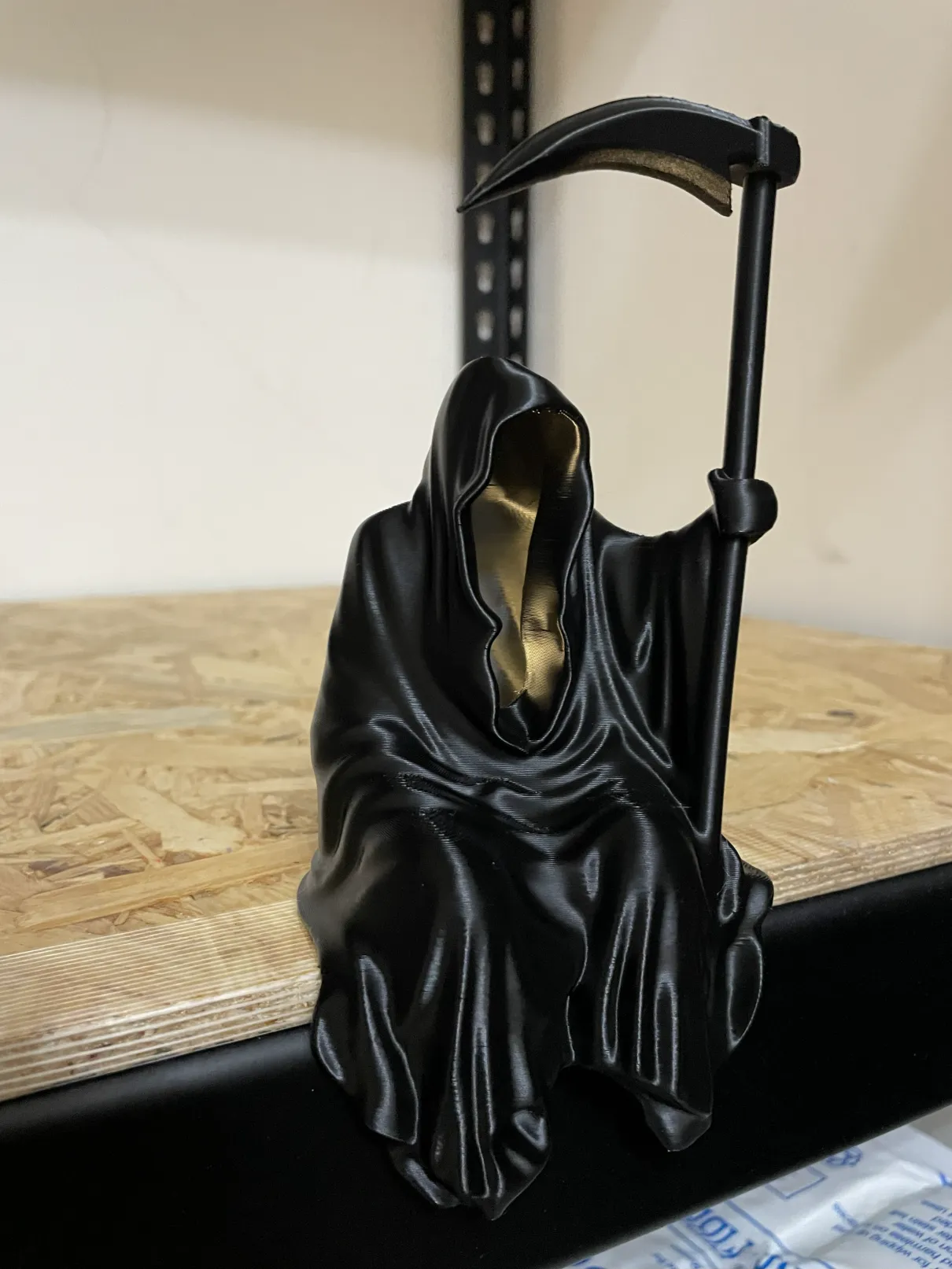
Makers and small studios. This is the fastest-changing group. Affordable, reliable desktop printers mean a small studio can now produce retail-quality products, like figures, decor and desk accessories, without a factory. That is what we do at Argos.
Why desktop printing changed everything
Early consumer printers needed constant tuning. Modern machines calibrate themselves, print much faster, and produce consistent results day after day. For a small studio, that reliability is the whole business case. You can take an order today, print it tomorrow, and ship it the day after.
The underlying technology is still fused filament fabrication, the same process the open-source RepRap project popularised. We explain how it works in how a 3D printer works.
Local studio vs imported products
If you search for a figurine or shelf decor online in India, you'll find two kinds of listings: imported mass-produced pieces, and pieces printed locally to order. They differ in a few ways that matter:
| Printed locally to order | Imported mass-produced | |
|---|---|---|
| Delivery | Days, from within India | Often weeks |
| Stock | Made when you order, never out of stock | Depends on what was shipped in |
| Variety | Niche designs are viable | Only designs that sell in huge volume |
| Quality control | Checked by the person who printed it | Varies widely |
| Returns and fixes | A local business you can email | Often difficult |
We go into this in more depth in made-to-order vs mass-produced figurines.
What 3D printing costs in India
For printed products, the main costs are machine time, material and finishing labour. Material is the smallest of the three. A figure might use under 100 g of plastic but take several hours of machine time, plus careful hand finishing.
That is why a well-finished printed figure from a local studio usually costs more than its weight in plastic suggests. Most of the pieces in our shop are ₹600–₹850.
What to look for when buying
- Real photos. Ask for, or look for, photos of the actual print, not just the 3D render. Renders always look perfect.
- Material stated clearly. PLA or PETG for most decor. If a listing doesn't say, ask.
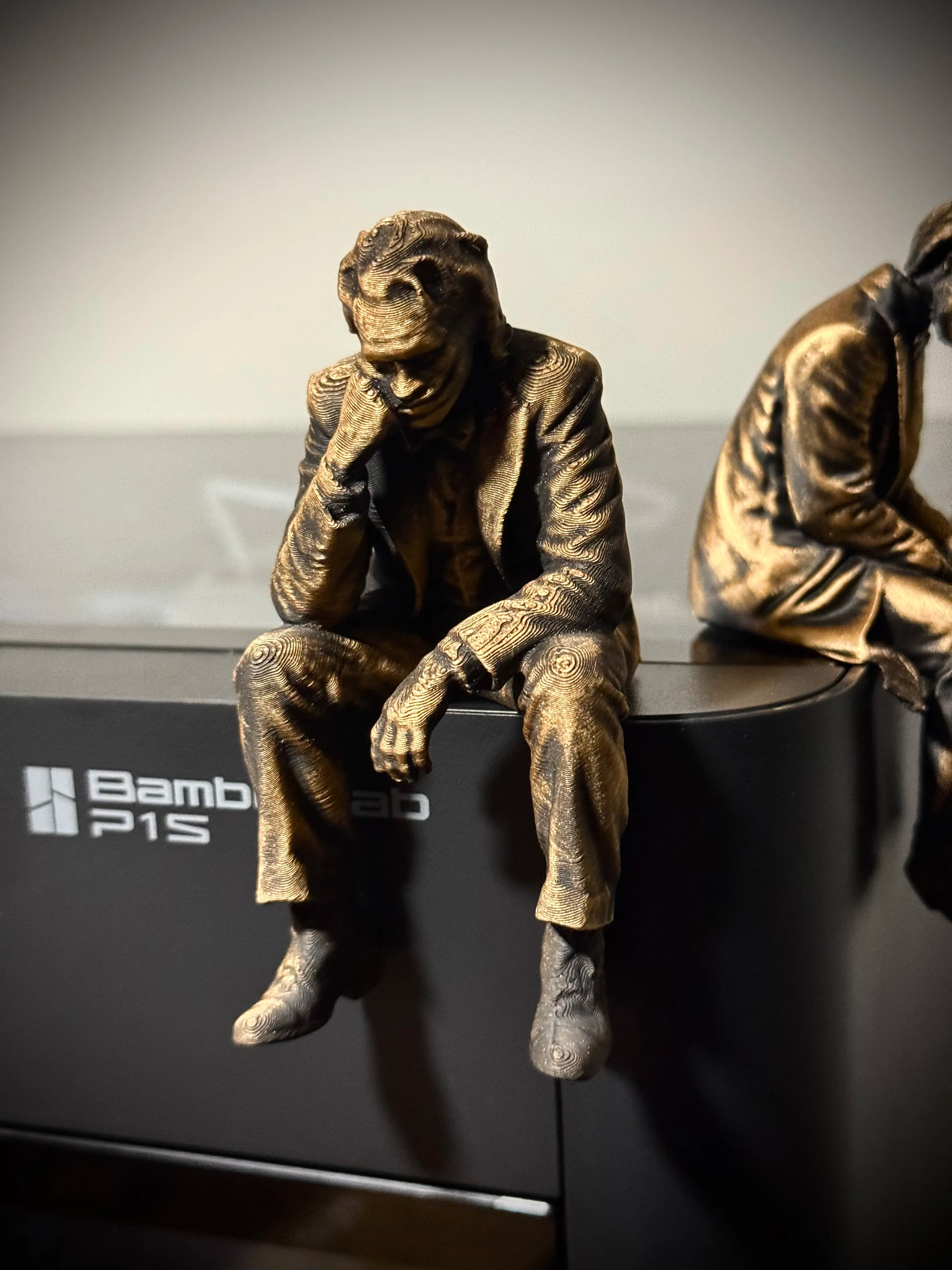
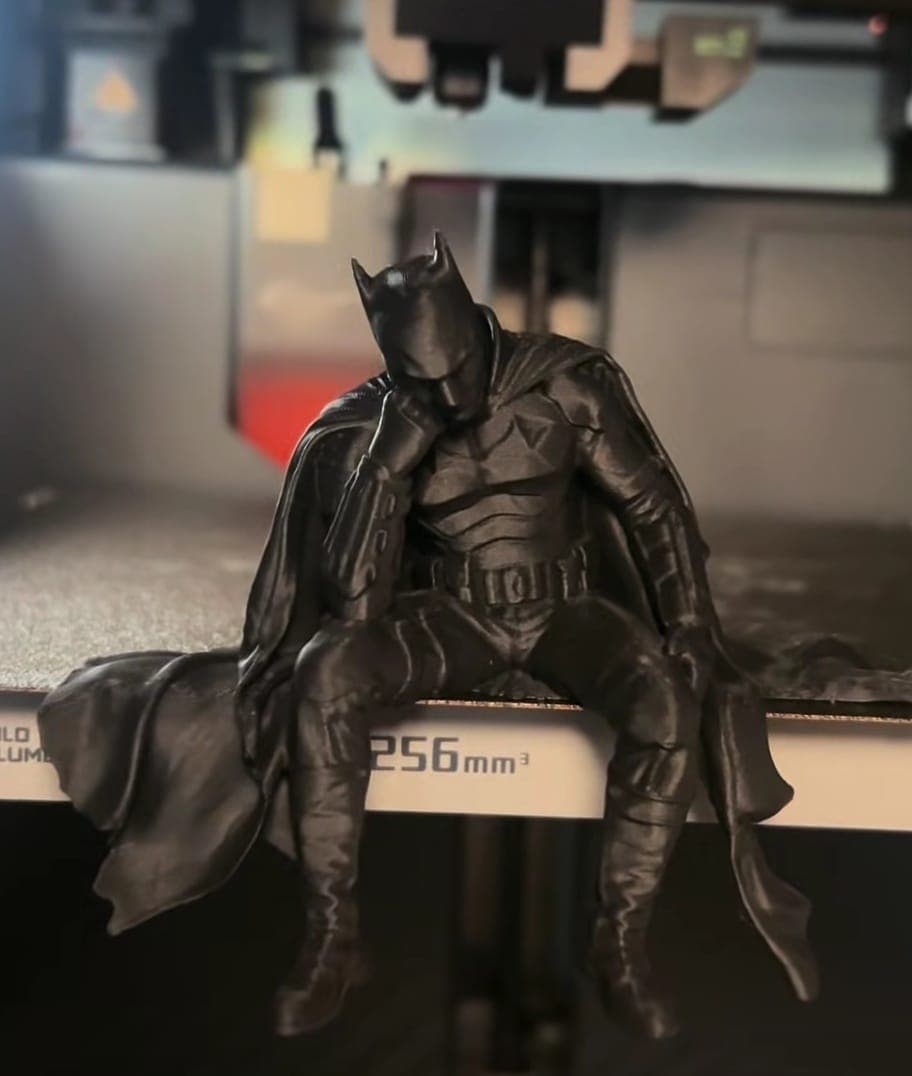
- Finishing. Support marks should be cleaned up. The seat of a ledge sitter should be flat.
- Delivery time stated honestly. Printing to order takes a few days. That is normal.
- A damage policy. Couriers break things. A good seller reprints.
Where it is going
Printers will keep getting faster and more reliable, and more small studios will appear in more cities. The interesting shift is that where things are made is moving closer to the people who buy them. A design can be downloaded, printed and delivered within the same city in a few days, instead of being shipped across an ocean in bulk.
For Indian buyers, that means more variety, faster delivery, and a real person on the other end of the order.
Frequently asked questions
Is 3D printing popular in India?
Yes, and growing quickly across engineering, healthcare, education and consumer products. Affordable desktop printers have made it practical for small studios and hobbyists as well as industry.
How much does a 3D printed product cost in India?
It depends on size, machine time and finishing. Decorative figures from a local studio are typically a few hundred to a couple of thousand rupees. Most of ours are ₹600–₹850.
Are 3D printed products made in India good quality?
The best local studios produce retail-quality pieces. Check for real photos of the print, a clearly stated material, clean finishing and a damage policy.
How long does delivery take for a 3D printed order in India?
Printing to order typically takes 2–4 days, plus courier time. Within the same region that's 1–3 working days, and 5–9 days to more remote areas.