Made-to-order vs mass-produced figurines — what you are actually paying for
How 3D printed made-to-order figurines compare with mass-produced PVC and resin figures on detail, durability, price, variety and waste, and when each one is the better buy.
On this page
If you collect figures, you've seen three kinds: mass-produced PVC figures in blister packs, cast resin statues, and a newer category of 3D printed figures made to order. They can look similar in photos. They're made very differently, and that changes what you get for your money.
How each one is made
Mass-produced PVC or vinyl figures are made by injection moulding. Molten plastic is forced into a steel mould under high pressure. Making the mould is expensive, often lakhs of rupees, but once it exists each figure costs very little. The economics only work at thousands of units, usually made in a large factory and shipped around the world.
Cast resin statues are made by pouring liquid resin into silicone moulds, usually by hand. The detail is excellent, and each mould only lasts for a limited number of casts. They're often large and expensive.
3D printed made-to-order figures are built directly from a digital model, one layer at a time, with no mould at all. We explain the process in how a 3D printer works. Each figure takes hours of machine time, but there's no upfront mould, so making just one is perfectly viable.
Side by side
| Made-to-order 3D print | Mass-produced PVC | Cast resin | |
|---|---|---|---|
| Upfront tooling | None | Very high | Moderate |
| Cost per piece | Moderate | Low at volume | High |
| Designs available | Almost anything | Only best-sellers | Limited runs |
| Surface | Fine layer texture | Smooth, glossy | Very smooth |
| Durability | Tough, can chip at thin parts | Flexible, very durable | Brittle, can shatter |
| Painted? | Usually solid colour or hand-finished | Factory painted | Often hand-painted |
| Stock | Never out of stock | Sells out, then gone | Very limited |
| Waste | Printed only when ordered | Unsold stock is common | Moderate |
Where made-to-order wins
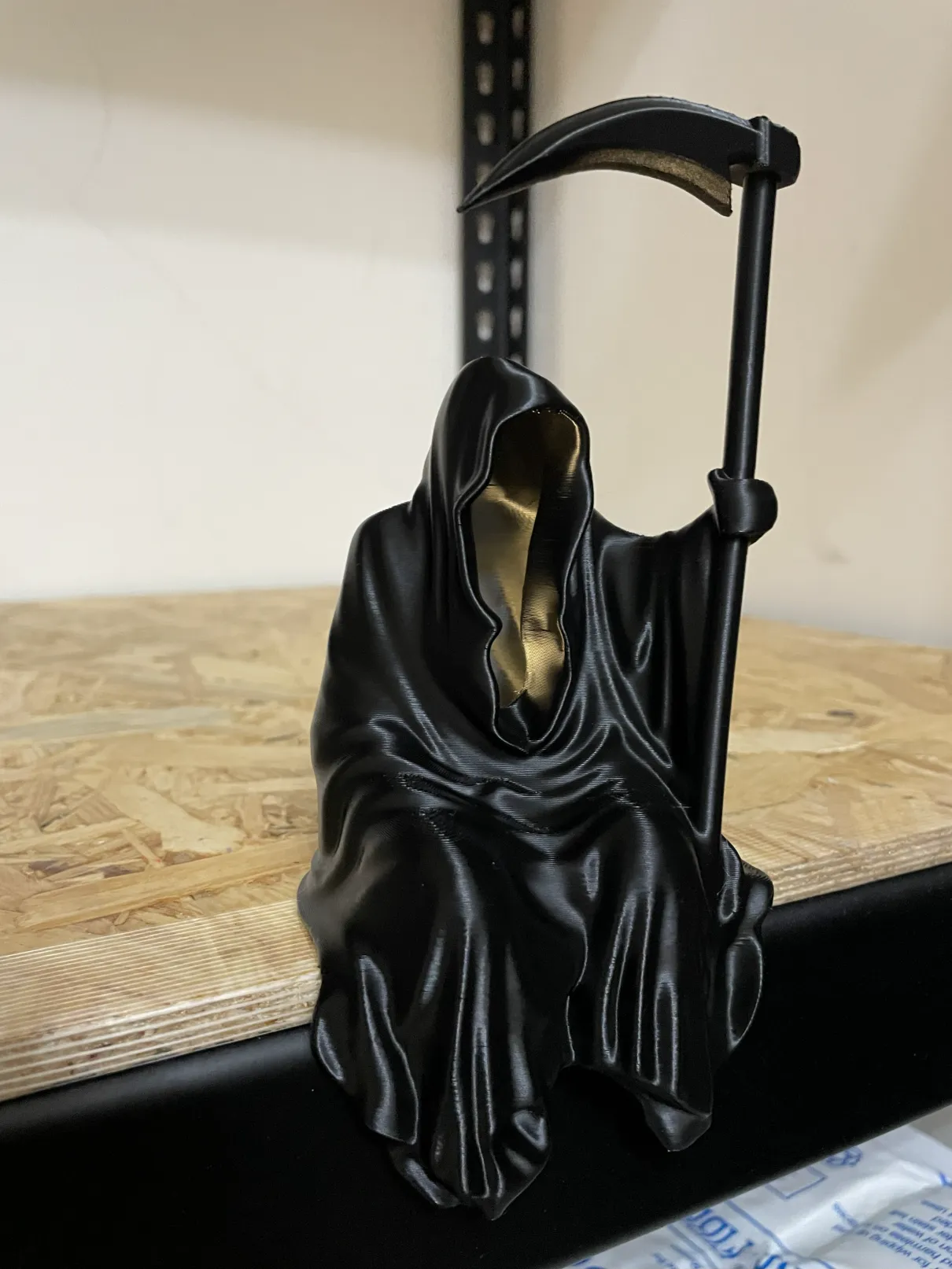
Variety. Injection moulding only makes sense for designs that will sell in huge numbers. Printing makes it possible to offer niche and unusual pieces, like a skeleton working on a laptop or a gamer skull, which would never justify a steel mould.
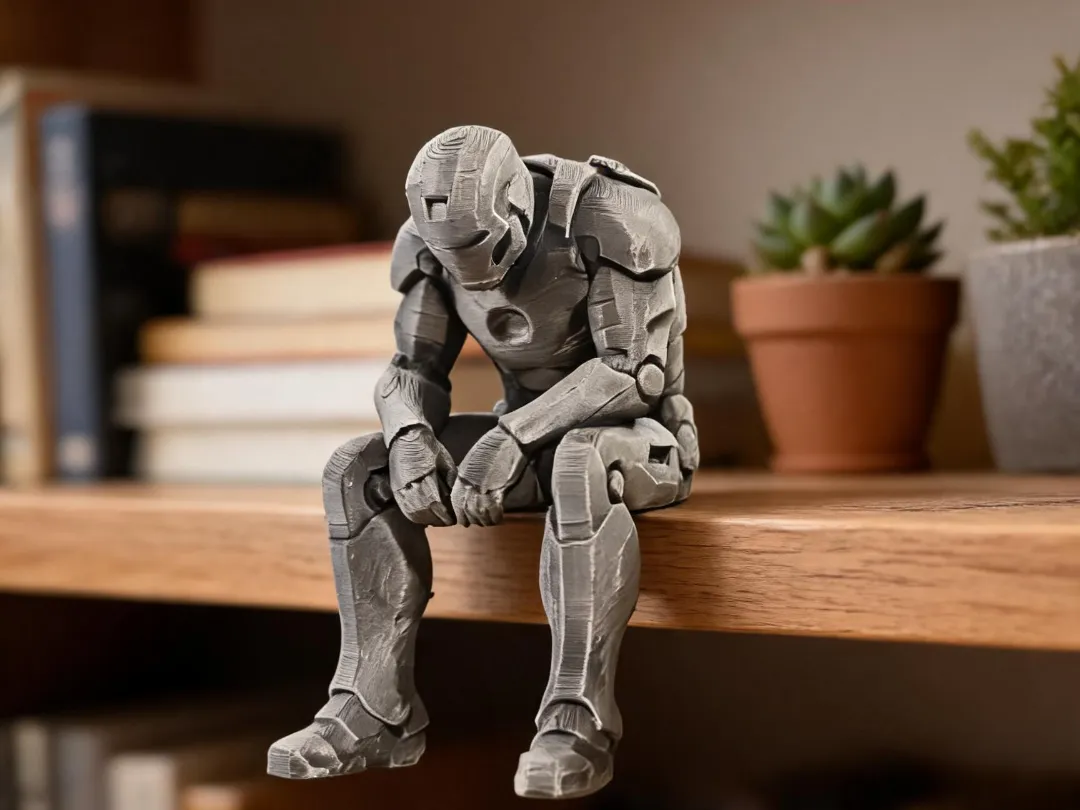
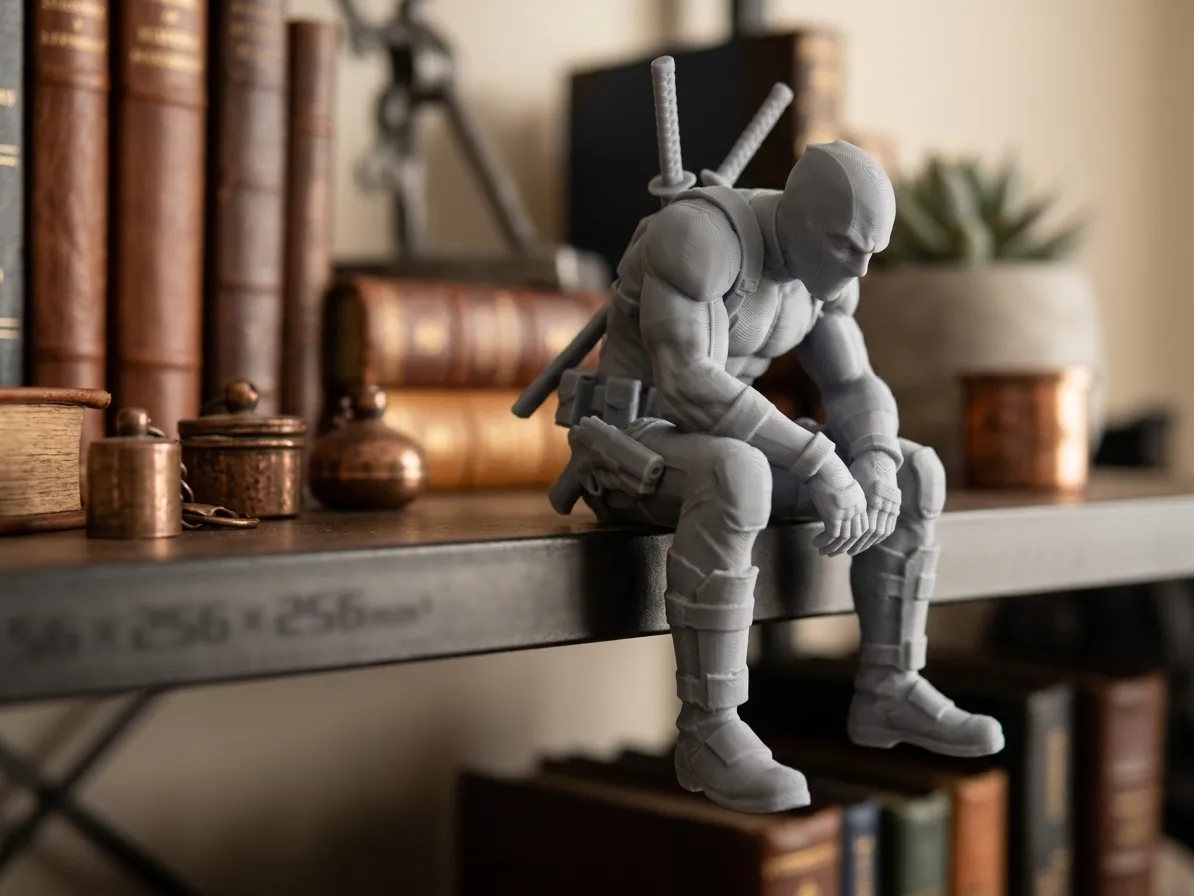
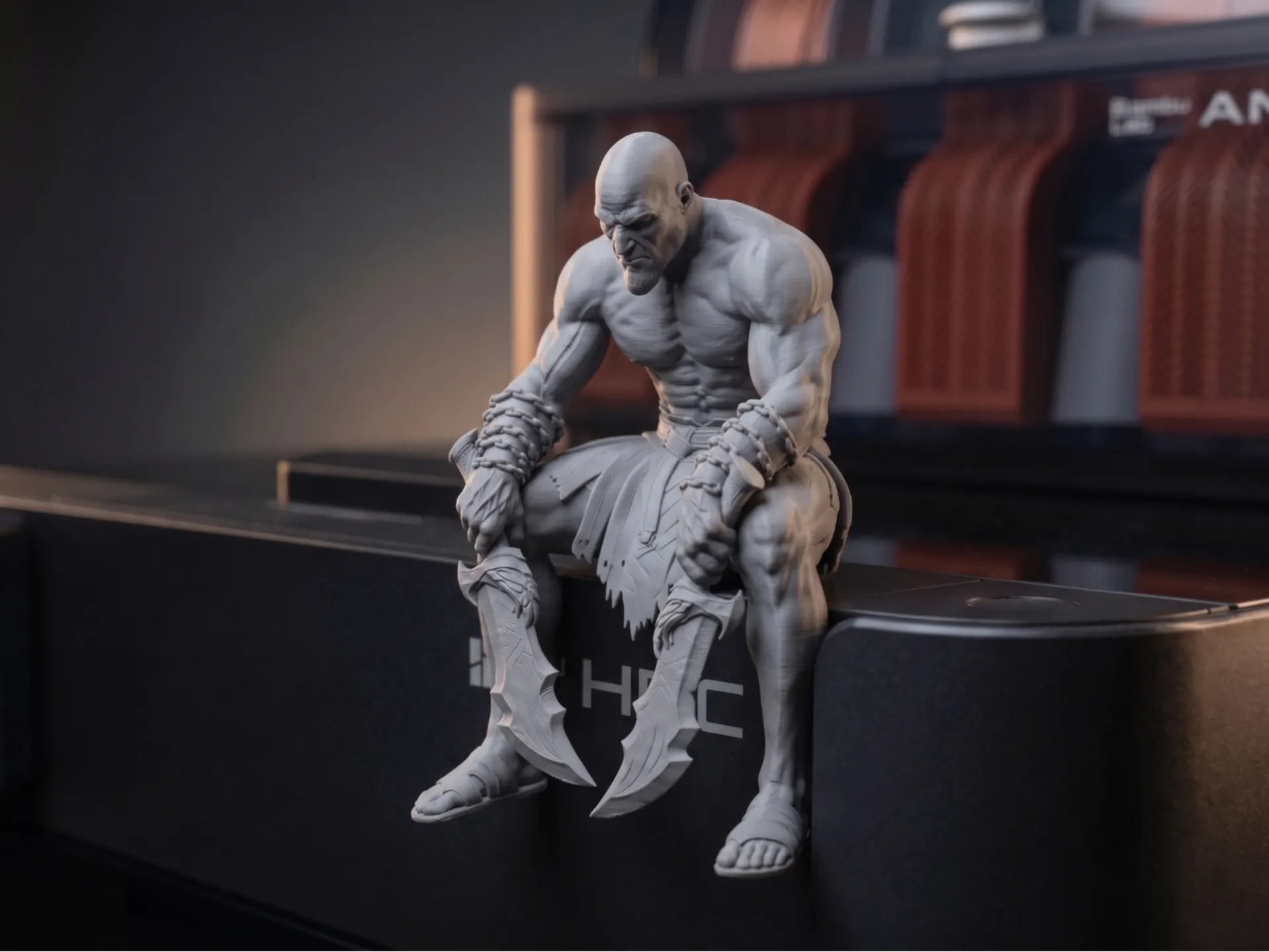
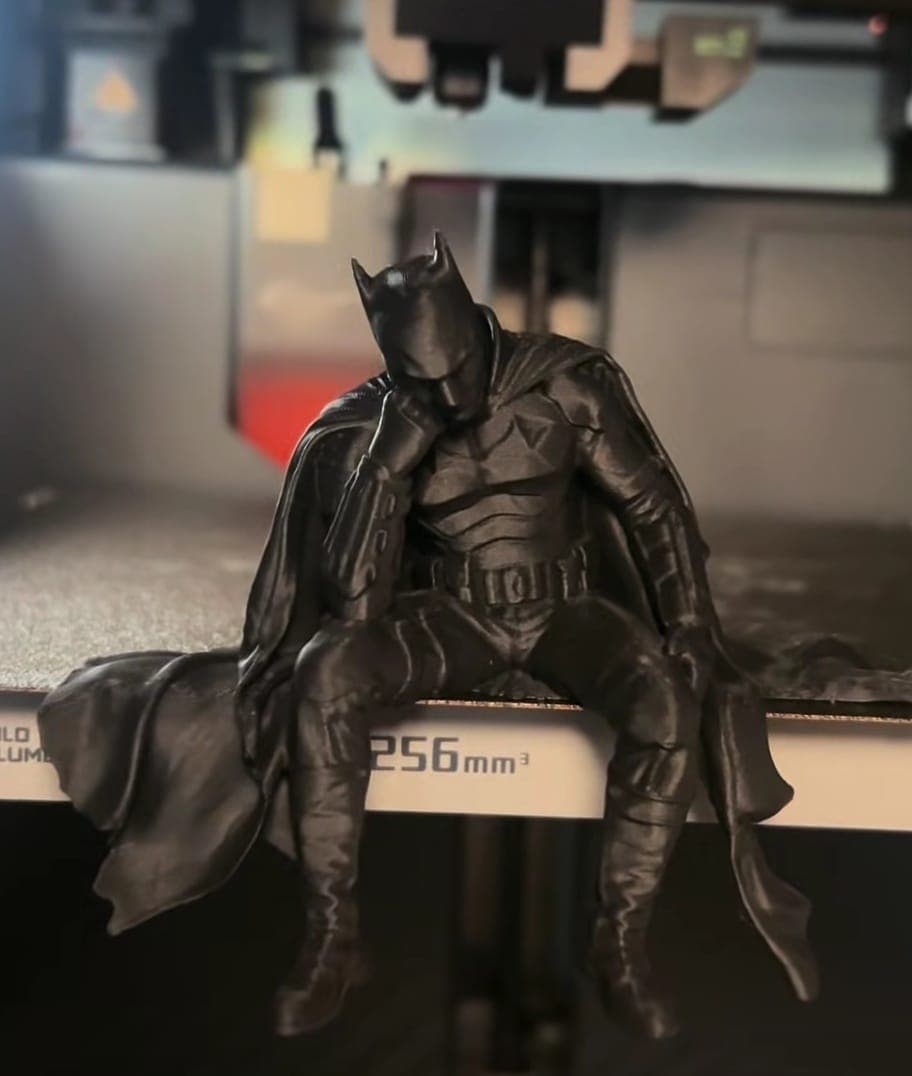
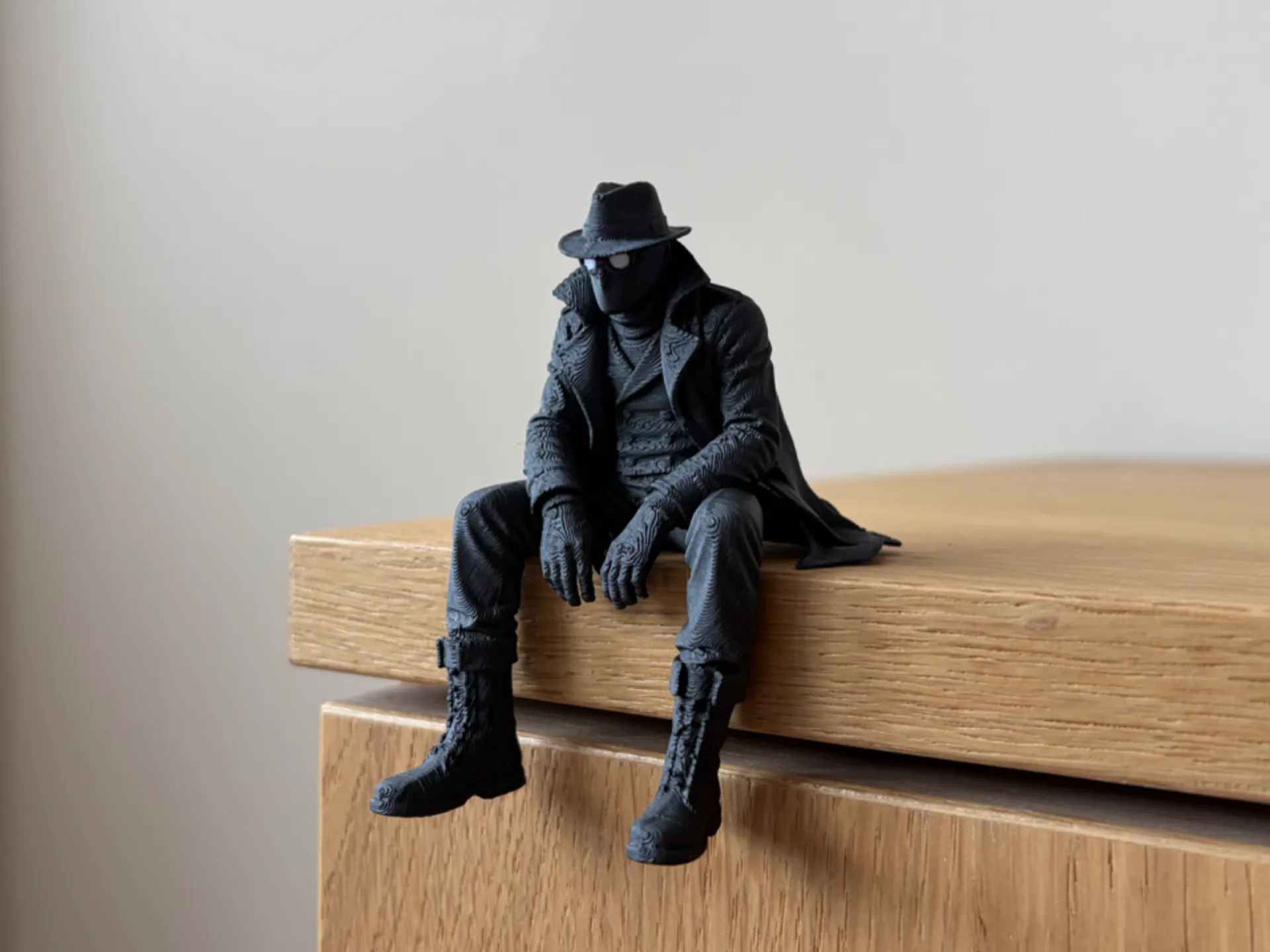
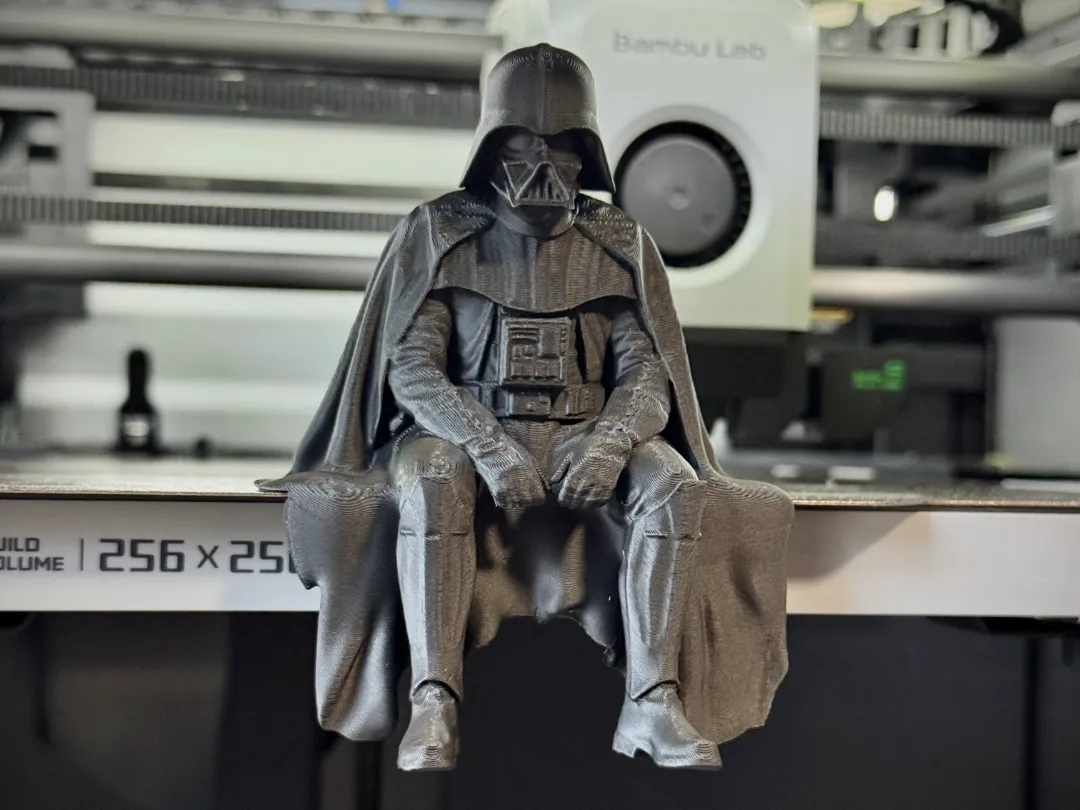
Poses. Many of our favourite pieces are ledge sitters, designed to hang their legs off a shelf. Poses like that are hard to mould cheaply but straightforward to print.
No dead stock. Nothing is made until someone orders it, so nothing ends up in a warehouse or landfill because it didn't sell.
A person checks it. Each piece is cleaned up and inspected by the person who printed it, not sampled from a batch of ten thousand.
Where mass-produced wins
Price at scale. For a hugely popular character, a factory figure can be cheaper.
Factory paint. Multi-colour painted PVC figures are hard to match without hand painting.
Smoothness. Moulded plastic has no layer lines. At arm's length, fine layer heights make printed figures look smooth, but up close under a lamp you can see the texture of a print.
Every design we print comes from an independent artist, credited on the product page. Why we credit the makers.
Which should you buy?
Buy mass-produced if you want an officially licensed, factory-painted figure of a hugely popular character and it's in stock.
Buy made-to-order if you want something unusual, a specific mood or pose, a piece that feels like a small sculpture rather than merchandise, or you just don't want to wait weeks for an import.
Our collection of seated figures and ledge sitters is built entirely around the second kind.
Frequently asked questions
Are 3D printed figures as good as store-bought figures?
For detail and shape, a well-printed figure at fine layer heights is very close. The main difference is surface: printed figures have a fine layer texture, and are usually a single colour unless hand-painted.
Are 3D printed figures durable?
Yes. PLA and PETG figures are tougher than resin and survive most knocks. Thin parts like swords and fingers are the weak points, and they can be glued if they break.
Why are 3D printed figures more expensive than their weight in plastic?
Most of the cost is machine time (several hours per piece) and hand finishing. The plastic itself is the smallest part of the price.
Is made-to-order better for the environment?
It avoids overproduction. Nothing is made unless it's ordered, and there's no unsold stock to destroy. PLA is also made from plant starches rather than petroleum.